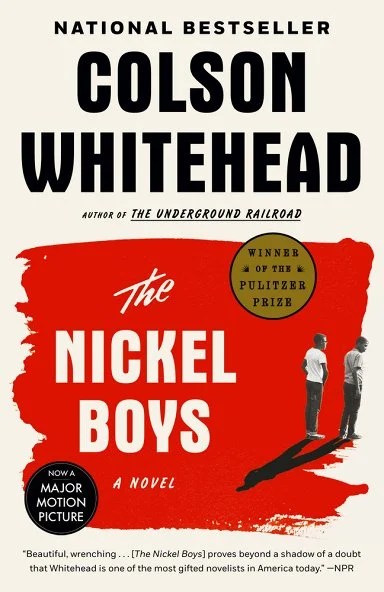
The Nickel Boys is a book I finished after midnight. It’s the type of book you read until you finish, even when that means having to be quiet in a sleeping house when you want to run to anyone and everyone to shout about the experience. (Hoping they’ll open the book immediately while you watch them read it.)
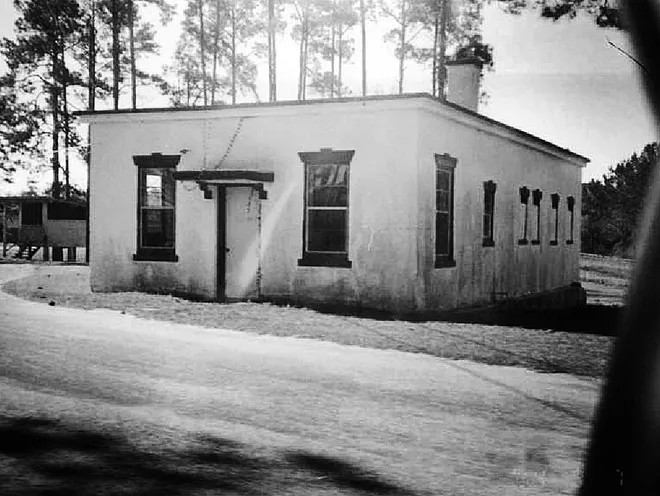
It is fiction. It is a true story. Whitehead writes this book about the very real Dozier School in Florida. It was a “reform” school for boys that was open for 111 years. He renames Dozier to Nickel and creates his characters but bases events and even their thoughts on research into survivor interviews from Dozier as well as victims of similar forms of incarcerated punishment.
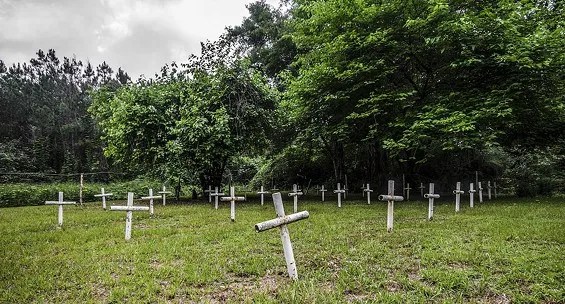
The story rocks between the 1960s when his characters were children imprisoned at the school and the 2010s when survivors got mainstream attention, the school closed, and investigation proved over 50 deaths at the school and counting.
Something I don’t see when I look at some of the coverage of the victims who came forward in the early 2000s and their web site are the Black children who went through Dozier. Whitehead addresses this erasure by writing about the children on the Black side of the segregated detention center called a school.
I love this book. It is grim and eloquent about horrendous torture, rape, and murder without being salacious. Whitehead does not, in his novelization of a true story, create “trauma porn.” This was a curious experience for me as a reader. To have someone tell me a story about such brutal, systemic torture without describing so much of it. The bits of description he gives are spare but stark. Writing more up to and after violent acts rather than describing them in detail. It feels very similar to how physical trauma can be experienced afterward by survivors, remembering the before and after but maybe not the event. So, not only does he challenge the reader to keep their feelings and focus on the injustice rather than gratuitous gore— he also creates an experience in the reading that is something like the focus of many survivors’ memories. He points readers to his character’s feelings of emotional terror rather than physical suffering. He never lets us forget his message for the “gasp factor.”
“He pictured Freddie Rich at the head of the posse, holding a flashlight, the sun gleaming off the big buffalo belt buckle Clayton knew so well—the sight of it, the clatter of it on the concrete floor.”
The above quote is an example of how Whitehead uses this spare sort of storytelling. It feels protective of privacy. These phrases are highly evocative, tell us all we need to understand who is predator, who is prey, and what is the abuse. And they do it without gruesomely depicting the violence enacted upon the child.
“As the school year went on, the students of Lincoln High School stopped noticing the curses and impolite suggestions. How to get through the day if every indignity capsized you in a ditch? One learned to focus one’s attention.”
He sets this intention early in the book when talking about the racism Black students in regular public schools were experiencing and how the mind gets through that. He tells us how they survive and then continues to demonstrate it throughout the rest of the book.
“The worst thing that’s ever happened to me in solitary confinement happens to me every day. It’s when I wake up.” – interview with Danny Johnson. Per Nathaniel Penn’s GQ article “Buried Alive: Stories From Inside Solitary Confinement”
Whitehead repurposes this actual interview statement from an inmate who spent twenty-seven years in solitary confinement as inner dialogue for one of his Nickel boys put into confinement. The research and thoughtfulness that went into this book results in believable, hopelessly honest characters. His focus on the mind of the survivor includes writing from the very different perspective of children. Who are no less intelligent or aware, but whose view is often overlooked (both literally and figuratively).
“He’d outgrown his shirt and the pressure against the buttons made him look upholstered.”
This line is my favorite example of this. Depending on height of course, children see bellies first. Black children in the 1960s were less likely to be looking any authority figure in the eye than to be keeping their gaze lower. The belly of a man who rapes children is threatening.
All these things in this one line and it also speaks to the unobstructed creativity of a child’s imagination and how they relate to the world. Not a trope about sausages or some other stuffed thing; this is much more evocative of a child’s processing of the world.
“Silence was all the boy ever got. He says, “I’m going to take a stand,” and the world remains silent.”
Without giving anything away (I know it’s not a new book, but it was new to me. It could be to you.) I will also sing praises for the way he wrote a true story as fiction. He writes a story that previously happened and people know but it ends up reading to the very last line with the feel of a whodunnit or a thriller. He surprises us in the end of the book with a twist to the story we’ve already read. Leaves us with our own feelings to sort out and decisions to make. Is the message of the book what it seemed as we were reading it? Does the new perspective in the last pages of the book change its meaning? Or is this book saying both?
-HR

Purchase link: (Not monetized)



 Hard Return