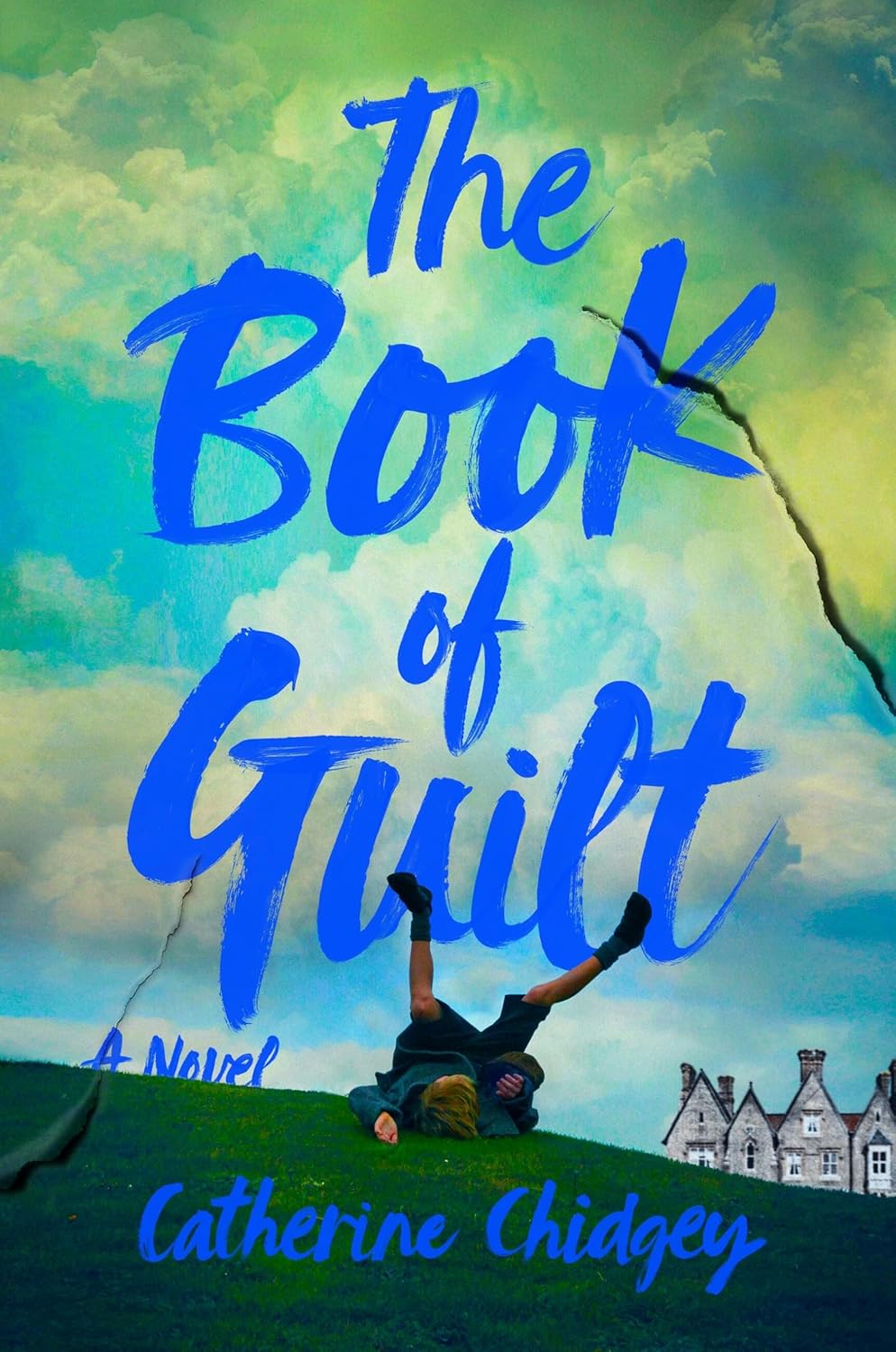
The Book of Guilt by Catherine Chidgey is one book I had not run into until I saw it on a library display. I picked it up for the cover. Thank goodness! I don’t know why it wasn’t in any of my suggested lists or social feeds, but I’m very glad a librarian put it into my path.
It’s set in a dystopian version of the 1970s, in which WWII was not “won” but settled. An alternate European government bartered for scientific ‘discoveries’ and unethical methods from the experiments in the concentration camps. It is using them in similarly cruel ways years later. The primary characters in the book, young triplets named Vincent, William, and Laurence slowly unravel the full horror of what has happened in a world that did not fully reconcile the evils of the Holocaust. A world that did not put on trial the sins of humanity, opting instead to “let bygones be bygones.” Government enriching itself for the price of the soul.

Dystopian books are not something I typically enjoy, particularly in the past few years. They can just feel too overwhelming in our world of the doom scroll and incessant headline shock.
The Book of Guilt works despite this for two reasons. Firstly, the full state of the world in Chidgey’s imagination is discovered through the course of the book by her primary protagonist and narrator, Vincent. One of three triplet brothers growing up in a “home for boys” that the reader immediately knows is… off. The story moves along with his discoveries that all he’s ever known is not accurate, truthful, or just. You aren’t burdened with the full weight of the dystopia from the first page. I think the author demonstrates restraint as well as care for the reader and the reading. Revealing the complexity of this dystopia methodically is something I appreciate about the novel.
The apex of the story is really the understanding both for Vincent and for readers of how, excuse me for saying it, fucked up, the world adults made and uphold really is. It is the takeaway as much as the setting.
The Book of Guilt is also manageable for readers who feel like I do about dystopian fiction because it is set in the past – the 1970s. It parallels a possible future of ours but uses that little bit of distance to help with digestibility. Let’s face it, we could all use a little tonic to help the important messages go down these days.
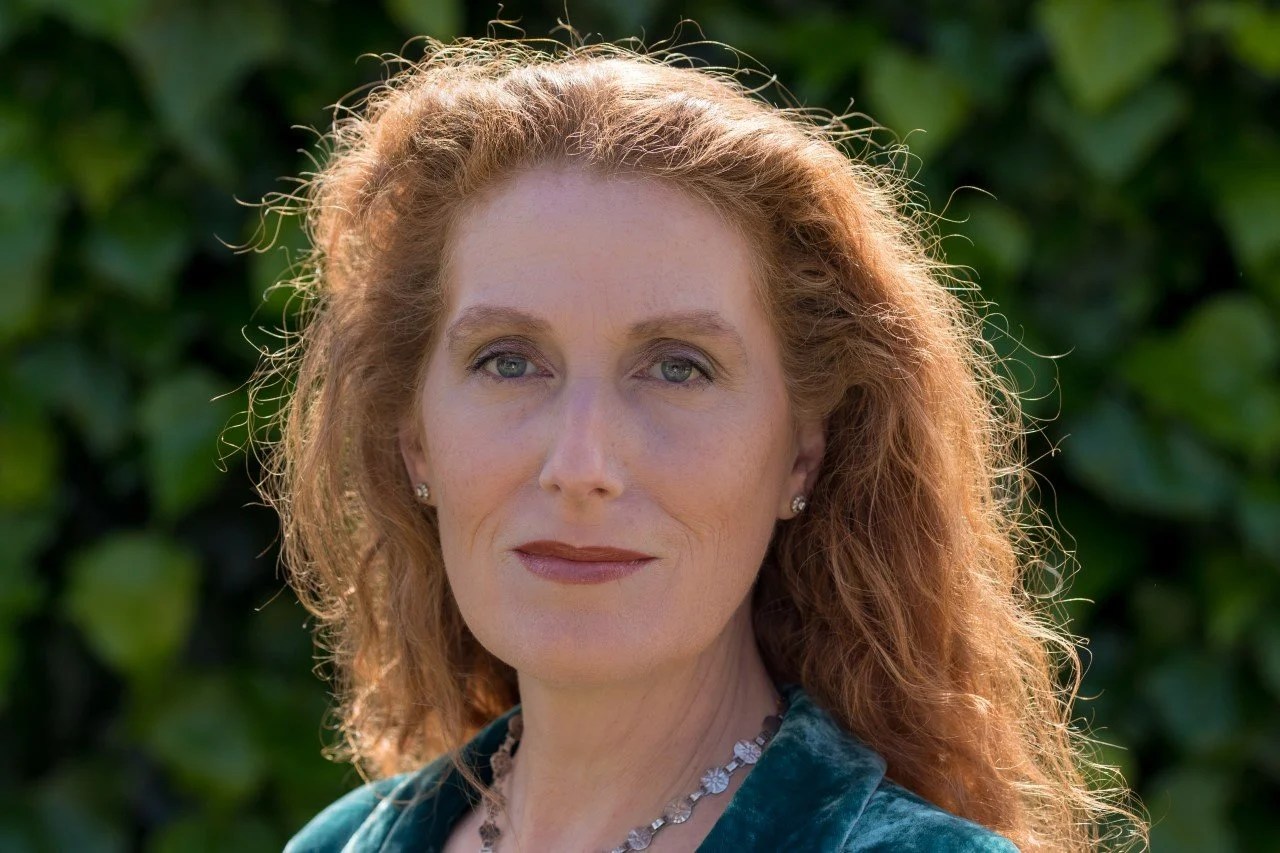
I love the way Chidgey tackles what might be the most effective tactic used in the past and present to control power. That is the dehumanizing of people. Within this story, she shows us a society turning against one of the most privileged and cherished groups in our current world – blonde-haired, blue-eyed boys on the cusp of manhood. She gives us grieving parents who, despite treating their second daughter as a duplicate for an adored child that they lost, still abuse her in ways they would never have treated the child she’s meant to replace. By the end of the book, the scale of the horror becomes known. She gives another angle on the depersonalization of persons to really drive home the message:
Societies can and will tolerate anything being done to a group of people if just given a way to see them as “other.”
Even children.
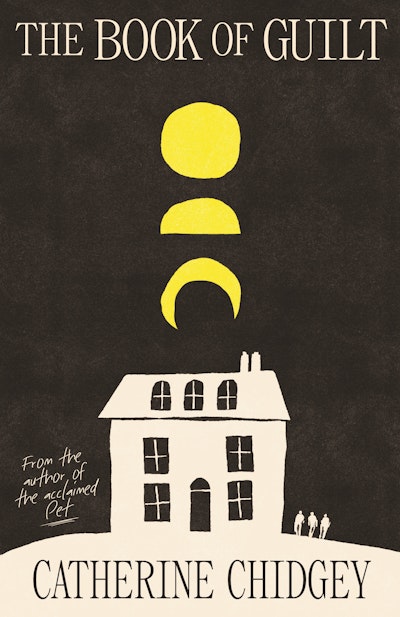
This book is really a lovely, terrible thing to read. Vincent is loving and smart. He’s a sweet kid with all the bravery and frailty a coming-of-age boy would have, feeling very authentic to me as a character and a narrator.
I hope that my review does not turn a reader away. Particularly what I’m to say next, which could be considered something of a spoiler. My arm-in-the-air-while-cheering, “yes!” moment came with the very ending. That the writer does not opt out of the discomfiting truth.
All the adults, even the ones who eventually come around, fail the victims in this book. There is no hero in the true sense. There are children who seek help and survive and there are adults who do “the right thing” once or twice but absolutely every adult in this book is complicit in the horrors. The reader does not get a satisfying someone to reassure them that there is always at least a someone.
“Look for the helpers.”
-Fred Rogers
Folks like to quote Mr. Rogers reassurance, “Look for the helpers.” While it is a lovely, hopeful sentiment. The reality is, there often are none. In today’s world, we see terrors unfold all the time through the phone of a person who could have been a helper. In Chidgey’s book, the only people with real integrity and grit are those not considered people at all.
And that commitment to unmagical, open-eyed honesty is what makes this book important and refreshing. We need that in these times. I think we long for clarity that doesn’t pacify. Books that lay out the brokenness of our systems and the humanity missing from them. Not just in the time we spend between the first page and the last. We need books that leave the brokenness with us after we’ve closed them.
That we may apply it to our awareness of our world and keep it with us.
-HR

Purchase link: (Not monetized) I read a copy from my local library. I always urge this as your first option. It can also be found below.
The Book of Guilt by Catherine Chidgey at Bookshop.org



 Hard Return